Core Exercises for Two
Working out alone has its merits, offering solitude and focus, but introducing a partner into your fitness routine can unlock a new level of motivation and intensity. The plank, a foundational isometric exercise renowned for building core stability and strength, is often viewed as a solitary endeavour. However, by adapting this classic move for two people, you transform a static hold into a dynamic, interactive challenge. Partner planks not only double the accountability but also require synchronised movement and communication, turning a standard core session into a fun, bonding experience that tests your balance and endurance in unexpected ways.
When you engage in partner exercises, specifically those targeting the core, you introduce an element of unpredictability that machines or solo floor work cannot replicate. Your partner’s movements force your stabilising muscles to work harder to maintain form, effectively increasing the intensity without necessarily adding heavy weights. This functional approach mimics real-life physical demands where loads are rarely static or perfectly balanced. Furthermore, the psychological boost of working towards a shared goal—even if that goal is simply holding a plank for another thirty seconds—can push you past mental barriers that might usually stop you short during a solo session.
The classic high five plank
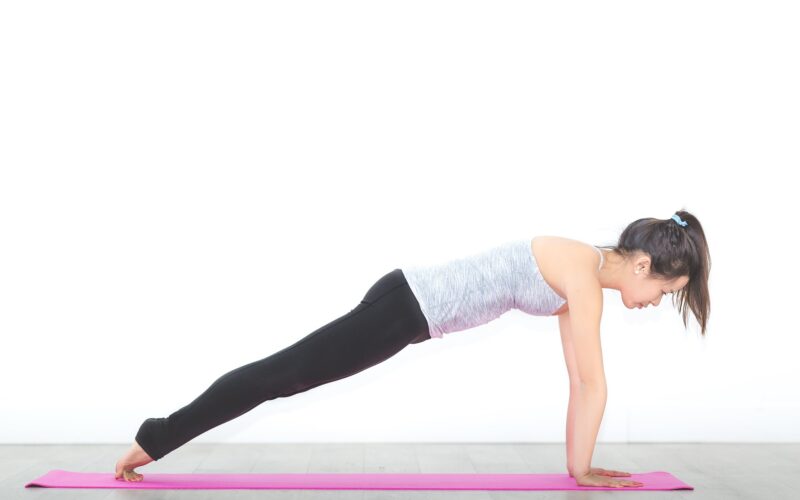
The most accessible entry point into partner core work is the high five plank. Facing each other in a standard high plank position (arms extended, hands directly under shoulders), you establish a strong base. The challenge here is to lift one hand off the ground to high-five your partner’s opposite hand without letting your hips rotate or sag. This seemingly simple addition of lifting a limb forces your core to fight against rotation (anti-rotational stability), engaging the obliques far more intensely than a standard hold. It requires rhythm and coordination, as you must alternate hands while maintaining a rigid, straight line from head to heels.
Wheelbarrow push-up with squat
For those looking to escalate the intensity, the wheelbarrow push-up combination offers a full-body challenge. One partner assumes a high plank position while the other stands behind them, carefully lifting the planking partner’s ankles. The standing partner then performs a squat while holding the ankles, whilst the partner on the floor performs a push-up. This compound movement demands significant upper body strength from one person and lower body endurance from the other, all while both must keep their cores braced to protect their lower backs. It is a fantastic drill for building trust, as the standing partner effectively controls the instability of the person performing the push-up.
Over-under plank jumps
Adding a cardiovascular element to your core routine can elevate your heart rate and torch calories. In the over-under drill, one partner holds a low plank (on forearms) or a high plank, remaining as still and solid as a rock. The second partner then laterally jumps over the planking partner’s ankles, landing softly, and then immediately crawls under the planking partner’s bridged body (who must lift into a downward dog or high bridge position to allow clearance). This variation is relentless. The static partner builds immense isometric strength, while the active partner trains explosive power and agility. Swapping roles after a set time ensures both partners experience the different metabolic demands.
Safety and communication
While partner planks are engaging, safety must remain the priority. The key to preventing injury during these complex movements is constant communication. You must verbalise when you are fatigue, when your form is slipping, or if a movement feels uncomfortable. Because your partner’s weight or movement directly affects your own body mechanics, checking in with each other is vital. Ensure you are matched relatively well in terms of strength or modify the exercises to suit the less experienced partner. For instance, if a full push-up is too challenging in the wheelbarrow variation, simply holding the plank position is a worthy substitute that still yields strength gains.
Integrating partner planks into your training schedule offers a refreshing break from the monotony of solo repetition counting. By challenging each other’s stability and strength, you create a symbiotic workout environment where success relies on teamwork. Whether you are training with a spouse, a friend, or a gym buddy, these variations prove that core training does not have to be a lonely pursuit. Grab a mat, find a partner, and discover how shared effort can lead to stronger, more resilient bodies.